The Irresistible Allure of Buttery Sugared Shortbread
Few treats evoke such a comforting sense of nostalgia and simple elegance as shortbread. And when that shortbread is perfectly sugared shortbread cookies recipe, it transcends mere baking into an art form, delivering a melt-in-your-mouth experience with a delightful sugary crunch. These humble cookies, with their rich buttery flavor and delicate texture, are a testament to the power of quality ingredients and precise technique. They’re a staple for tea time, a cherished holiday tradition, and a universally loved sweet that satisfies cravings for pure, unadulterated deliciousness.
Mastering the art of sugared shortbread might seem daunting, but it's remarkably achievable with a few insider tips and tricks. This comprehensive guide will walk you through the nuances of creating perfectly buttery, crisp-edged, and wonderfully sugared shortbread that will impress even the most discerning palate. From ingredient selection to the final golden bake, prepare to unlock the secrets to your best batch yet.
The Anatomy of Perfect Sugared Shortbread: Ingredients and Their Roles
At its heart, a great sugared shortbread cookies recipe is a triumph of simplicity. Unlike many other cookie recipes, shortbread relies on a minimal list of ingredients, making each one’s quality paramount. Here’s what you need to know:
Unsalted Butter: The Golden Foundation
- Quality is King: Since butter is the star, choose the best unsalted butter you can find. High-fat European-style butters often yield a richer flavor and more tender crumb.
- Temperature Matters: Your butter should be at a perfect room temperature – soft enough to indent with a finger, but still cool and firm. If it's too warm, your dough will be greasy and prone to spreading; too cold, and it won't cream properly. This is perhaps the most critical factor for tender shortbread.
- Why Unsalted? Using unsalted butter gives you full control over the salt content in your recipe.
Granulated Sugar: Sweetness and Structure
- Dough Sweetener: Granulated sugar not only sweetens the shortbread but also contributes to its tender texture.
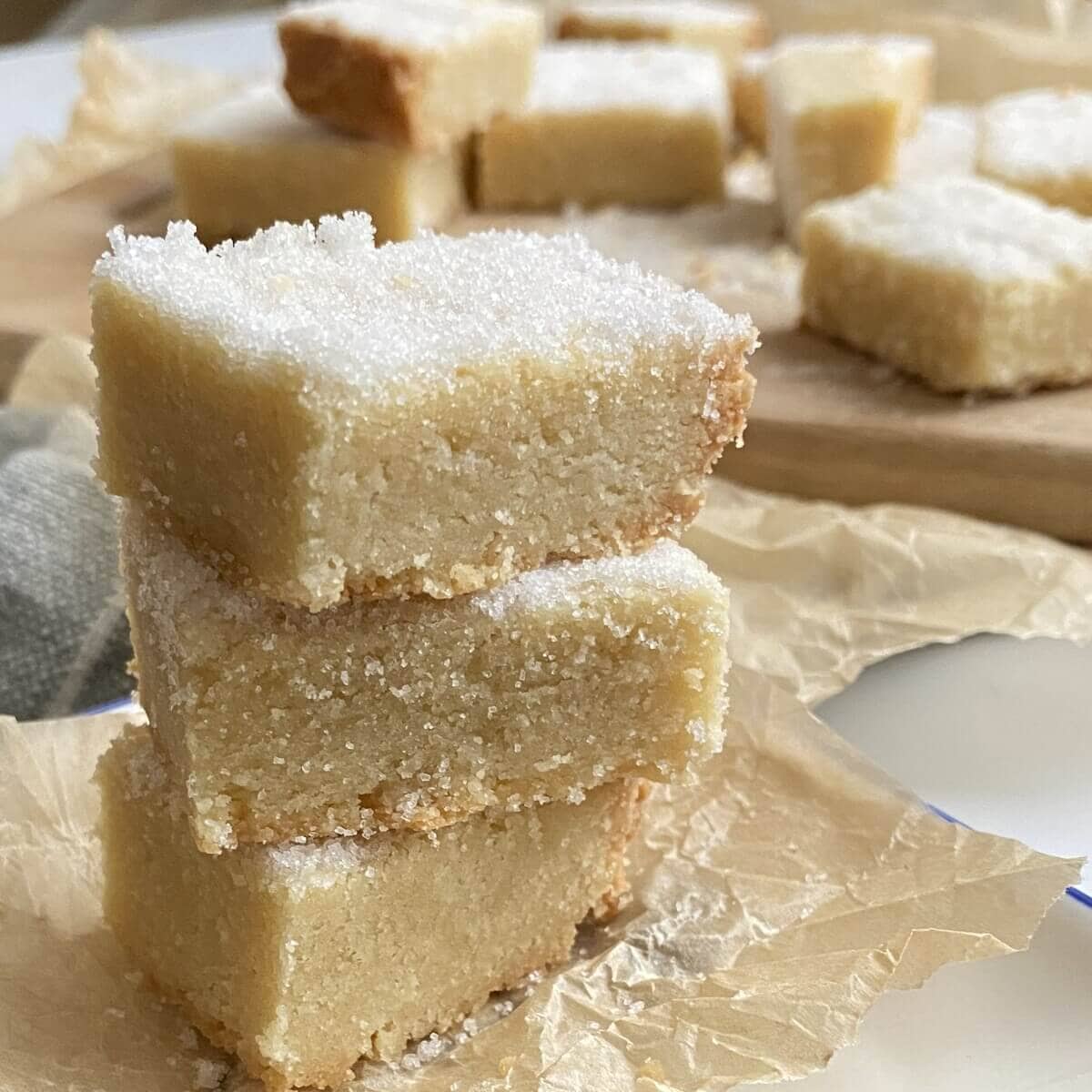
- The "Sugared" Aspect: For sugared shortbread, an extra sprinkle of granulated sugar (or sometimes a coarser sugar like turbinado) before baking creates that signature crispy, glistening crust. This contrast in texture is what truly sets it apart from traditional shortbread.
All-Purpose Flour: The Binder
- Measure Accurately: Too much flour can make your shortbread dry and tough; too little will result in a crumbly mess. Weighing your flour is always the most accurate method.
- Low Protein is Best: All-purpose flour is generally suitable, but flours with slightly lower protein content (like pastry flour) can enhance tenderness. Avoid high-protein bread flour.
- Avoid Overmixing: The key to shortbread's melt-in-your-mouth texture is minimal gluten development. Overmixing the flour will create a tough cookie.
A Pinch of Salt (Optional but Recommended)
While optional, a tiny pinch of fine sea salt can elevate the flavor profile of your shortbread, balancing the sweetness and enhancing the rich taste of the butter. It acts as a flavor enhancer, much like in savory dishes.
Essential Tips for Crafting Your Sugared Shortbread Cookies Recipe
Achieving that iconic, crumbly yet firm texture and delicate flavor requires attention to detail. Here are the core techniques that will make your sugared shortbread cookies recipe truly shine:
Mastering the Mixing Process
- Creaming Butter and Sugar: In a stand mixer with the paddle attachment (or with a hand mixer), cream your room temperature butter and granulated sugar together until they are just combined and pale. Unlike cake batter, you don't want to incorporate too much air, which can make the shortbread spread and lose its dense, crumbly character.
- Gradually Add Flour: Add the flour in stages, mixing on low speed until the dough just comes together. It will look crumbly at first, then form a soft dough. Stop mixing as soon as no dry streaks of flour remain. Do not overmix! This is crucial for tender shortbread.
The Importance of Chilling the Dough
Once your dough is mixed, wrap it tightly in plastic wrap and chill it in the refrigerator for at least 30 minutes, or even up to an hour. This step is non-negotiable for several reasons:
- Prevents Spreading: Chilled butter is more stable and less likely to melt too quickly in the oven, helping your shortbread hold its shape.
- Enhances Flavor: Chilling allows the flavors to meld and deepen.
- Easier to Handle: Cold dough is much less sticky and easier to roll out and cut precisely.
Rolling, Cutting, and Sugaring with Precision
- Even Thickness: On a lightly floured surface, roll out your chilled dough to an even thickness, typically between 1/4 to 1/2 inch (0.6 to 1.2 cm), depending on your preference. Even thickness ensures even baking.
- Shape Matters: Use cookie cutters for classic rounds, squares, or festive shapes. Alternatively, press the dough into a shortbread pan or simply cut it into fingers. Prick the surface with a fork for a traditional look and to allow steam to escape.
- The Sugar Coat: This is where the "sugared" magic happens! Before baking, generously sprinkle the tops of your shortbread with granulated sugar. For extra sparkle and crunch, some bakers prefer a slightly coarser turbinado sugar. Press it gently to adhere.
For a detailed, step-by-step sugared shortbread cookies recipe guide, check out The Ultimate Sugared Shortbread Cookies Recipe Guide. If you're looking for an even quicker way to achieve these delightful treats, our guide on Easy Sugared Shortbread Cookies for Melt-in-Mouth Treats has you covered.
Baking to Golden Perfection and Troubleshooting
Baking shortbread is a delicate dance of low temperature and patience. The goal is to bake them through without developing too much color, preserving that pale, tender quality.
The Gentle Bake
- Preheat Thoroughly: Always preheat your oven completely to the specified temperature (usually around 325-350°F or 160-175°C).
- Low and Slow: Shortbread is best baked at a relatively lower temperature for a longer period. This allows them to cook evenly without browning excessively.
- Monitor Closely: Baking times can vary. Look for shortbread that is set, firm to the touch, and just barely starting to turn pale golden around the edges. The centers should still be light.
- Cooling Right: Let the shortbread cool on the baking sheet for 5-10 minutes before carefully transferring them to a wire rack to cool completely. They are fragile when warm and need this initial set to firm up.
Common Shortbread Challenges and Solutions
- Shortbread Spreads Too Much:
- Cause: Butter was too warm, dough wasn't chilled enough, or overmixed.
- Solution: Ensure butter is at proper room temp, chill dough thoroughly (even an hour or more), and mix only until combined.
- Cookies Are Tough:
- Cause: Overworking the dough, developing too much gluten.
- Solution: Mix the flour in gently and stop as soon as it comes together.
- Lack of Crisp Sugar Crust:
- Cause: Not enough sugar applied, wrong type of sugar, or not baked quite long enough.
- Solution: Be generous with your sugar sprinkle. Granulated or turbinado sugar works best. Ensure sufficient baking time for the sugar to caramelize slightly.
- Cookies are Crumbly and Fall Apart:
- Cause: Too little butter, too much flour, or insufficient chilling.
- Solution: Accurately measure ingredients. If using a high-quality butter, it should bind well. Ensure adequate chilling.
Elevating Your Sugared Shortbread: Variations and Serving Suggestions
While classic sugared shortbread is perfect as is, you can personalize your sugared shortbread cookies recipe:
- Flavor Infusions: Add vanilla extract, almond extract, lemon zest, orange zest, or even a touch of cardamom to the dough for an aromatic twist.
- Chocolate Drizzle: Once cooled, a simple drizzle of melted dark or white chocolate can add another layer of indulgence.
- Salted Caramel: A sprinkle of flaky sea salt on top before baking or after a chocolate drizzle adds a sophisticated edge.
Serve your masterful sugared shortbread alongside a steaming cup of tea or coffee, as a delicate dessert after a meal, or package them beautifully as homemade gifts. Their simple elegance makes them perfect for any occasion.
Conclusion: The Sweet Reward of Mastering Sugared Shortbread
Crafting the perfect sugared shortbread cookies recipe is a deeply satisfying culinary endeavor. It celebrates simplicity, quality ingredients, and the magic that happens when a few humble components are treated with care and respect. By understanding the role of each ingredient, paying close attention to temperature, and mastering the subtle techniques of mixing and baking, you can consistently produce a treat that is rich, tender, crumbly, and utterly irresistible. The crisp, sugary crust complementing the buttery interior is a textural symphony that will keep you coming back for more. So, roll up your sleeves, embrace the process, and prepare to delight yourself and your loved ones with these timeless, melt-in-your-mouth masterpieces.
