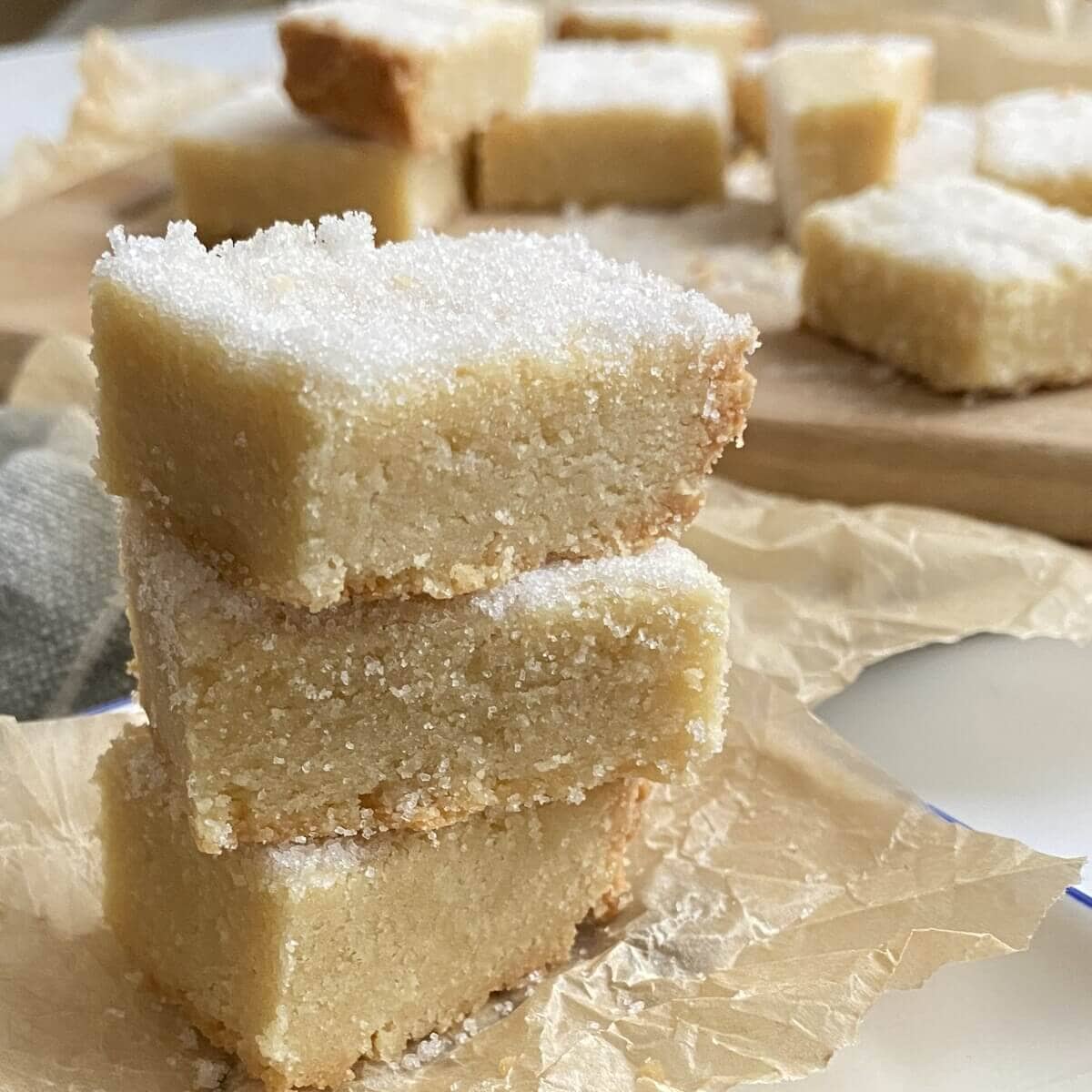
The Timeless Allure of Sugared Shortbread Cookies
There are few treats as universally beloved as a simple, melt-in-your-mouth shortbread cookie. Its humble origins in Scotland, where it was once a luxurious “biscuit bread,” have evolved into a global phenomenon. But amongst the many variations, the sugared shortbread cookies recipe stands out as a true classic, offering a delightful balance of buttery richness and a delicate, sandy texture that dissolves on the tongue. These aren't just cookies; they're tiny moments of pure culinary bliss, capable of transporting you back to cherished memories or creating new ones with every bite.
What makes sugared shortbread so special? It’s the sublime simplicity of its core ingredients — butter, sugar, and flour — that allows the quality of each component to shine. When baked just right, these cookies boast a crisp edge that gives way to an incredibly tender interior, all enhanced by a generous dusting of sugar. This easy sugared shortbread cookies recipe we’re about to explore isn't just about baking; it's about crafting an experience. Whether you're a seasoned baker or a curious beginner, the straightforward process ensures a rewarding outcome: perfectly delicate, melt-in-mouth shortbread that's ideal for a cozy afternoon tea, a festive holiday platter, or simply a well-deserved treat after a long day.
Crafting Perfection: Your Easy Sugared Shortbread Cookies Recipe
Embarking on the journey to create your own batch of delightful sugared shortbread is surprisingly simple. This easy sugared shortbread cookies recipe prioritizes straightforward steps and minimal fuss, proving that you don't need a complex ingredient list or intricate techniques to achieve bakery-quality results. Get ready to transform basic pantry staples into an extraordinary indulgence.
Essential Ingredients for Flawless Shortbread
The beauty of shortbread lies in its purity. Using high-quality ingredients is paramount, as there are so few elements to hide behind. Invest in the best you can find, especially when it comes to butter.
- Unsalted Butter (High Quality): 1 cup (2 sticks or 226g), at room temperature. The star of the show, dictating much of the flavor and texture.
- Caster Sugar (Superfine Sugar): ½ cup (100g), plus extra for dusting. Caster sugar dissolves more easily than granulated, contributing to a smoother dough and finer texture.
- All-Purpose Flour: 2 cups (240g). Avoid self-rising flour; we don't want any leavening.
- Salt: ¼ teaspoon. A small amount of salt enhances all the other flavors, particularly the butter.
- Vanilla Extract (Optional but Recommended): 1 teaspoon. While traditional shortbread often omits vanilla, a touch adds a wonderful aromatic depth.
Step-by-Step Guide to Melt-in-Mouth Magic
Follow these instructions carefully, and you'll be enjoying your homemade sugared shortbread cookies in no time. Precision and patience are your best friends here!
- Prepare Your Workspace: Preheat your oven to 325°F (160°C). Line a baking sheet with parchment paper. If you're planning to roll and cut, you might want to lightly flour your surface.
- Cream the Butter and Sugar: In a large mixing bowl, using an electric mixer (handheld or stand mixer with paddle attachment), beat the room-temperature butter and caster sugar together on medium speed until light and fluffy. This usually takes about 3-5 minutes. Scrape down the sides of the bowl as needed. If using, beat in the vanilla extract now. This creaming process is crucial for incorporating air, which contributes to the tender texture of the finished cookie.
- Add the Flour and Salt: In a separate bowl, whisk together the all-purpose flour and salt. Gradually add the flour mixture to the butter mixture, beating on low speed until just combined. Be careful not to overmix! Overworking the dough develops gluten, which can make your shortbread tough instead of tender. The dough will be thick and crumbly at first, then come together into a soft, pliable ball.
- Chill the Dough: Gather the dough, flatten it into a disk, wrap it tightly in plastic wrap, and refrigerate for at least 30 minutes. Chilling is essential as it firms up the butter, preventing the cookies from spreading too much in the oven and ensuring a crisp, defined shape.
- Shape the Cookies:
- Classic Fingers: On a lightly floured surface, roll the chilled dough to about ½-inch thickness. Trim the edges to form a rectangle, then cut into ½-inch wide by 2-inch long "fingers."
- Rounds/Wedges: Alternatively, you can press the dough evenly into an 8-inch round pan (a tart pan with a removable bottom works wonderfully). Prick the surface all over with a fork (this helps prevent bubbling) and score into 8-16 wedges, but don't cut all the way through yet.
- Cookie Cutters: Use your favorite cookie cutters to create fun shapes. Just be sure to gather and re-roll scraps gently.
- Bake to Perfection: Arrange the shaped shortbread on your prepared baking sheet(s), leaving a little space between each. Bake for 18-25 minutes, or until the edges are just barely golden and the centers appear set and pale. Shortbread should not brown significantly; a pale color is key to its delicate flavor and texture.
- Cool and Sugar: Remove the cookies from the oven. While still warm, if you've baked them in a round, re-cut the scored wedges. Immediately sprinkle liberally with additional caster sugar. This "sugared" step adds that characteristic sparkle and extra touch of sweetness. Let the cookies cool completely on the baking sheet before transferring them to a wire rack. They will crisp up further as they cool.
Tips for Achieving the Ultimate Melt-in-Mouth Texture
While the sugared shortbread cookies recipe is inherently simple, a few expert tips can elevate your baking from good to absolutely extraordinary. Mastering these nuances will ensure your shortbread truly melts in your mouth with every single bite.
The Butter Factor: Quality and Temperature
- Always Use High-Quality Unsalted Butter: Since butter is such a prominent ingredient, its flavor dictates the overall taste of your shortbread. Opt for a brand known for its rich, creamy taste. Unsalted butter allows you to control the salt content precisely.
- Room Temperature Butter is Non-Negotiable: This is perhaps the most crucial tip. Butter that is too cold won't cream properly with the sugar, leading to a dense, chewy cookie. Butter that is too soft or melted will result in greasy, flat shortbread. Aim for butter that gives slightly when pressed, but still holds its shape. This allows for proper aeration when creaming, essential for that melt-in-mouth texture.
Mastering the Dough: Don't Overwork It!
- Mix Just Until Combined: The biggest enemy of tender shortbread is overmixing. Once the flour is added, mix only until no streaks of dry flour remain. Overworking the dough develops gluten, leading to a tough, chewy cookie rather than a delicate, crumbly one. Think "gentle" and "minimal."
- Handle Lightly: When rolling or shaping the dough, use a light hand. The less you handle the dough, the more tender your shortbread will be.
The Art of Baking: Low and Slow
- Bake at a Lower Temperature: Shortbread is traditionally baked at a relatively low temperature (300-325°F or 150-160°C). This gentle heat allows the cookies to bake through evenly without browning too quickly, preserving their pale color and delicate texture.
- Don't Overbake: Shortbread should be pale with only very slightly golden edges. If they turn deeply golden, they will likely be dry and crisp rather than tender and melt-in-mouth. Keep a close eye on them, especially towards the end of the baking time.
Chilling is Key for Structure
- Don't Skip the Chill Time: Refrigerating the dough, both before shaping and sometimes again briefly after shaping, is vital. It allows the butter to firm up, which prevents the cookies from spreading excessively in the oven and helps maintain their crisp, defined edges and delicate structure.
For more expert advice and secrets, don't miss our comprehensive guide on Master Buttery Sugared Shortbread: Tips & Tricks, which delves deeper into common shortbread challenges and how to overcome them.
Customizing Your Sugared Shortbread Cookies
While the classic sugared shortbread cookies recipe is perfect in its simplicity, there's plenty of room for creative customization. These variations allow you to tailor your shortbread to different occasions, moods, or personal preferences, adding new dimensions to this timeless treat.
Flavor Variations
The neutral canvas of shortbread makes it an excellent base for subtle flavor infusions. Remember, less is often more when it comes to shortbread, so start with small additions.
- Citrus Zest: Add 1-2 teaspoons of finely grated lemon, orange, or lime zest to the butter and sugar mixture. The citrus oils infuse beautifully, adding a bright, refreshing note.
- Almond Extract: Replace half of the vanilla extract (or add ½ teaspoon if omitting vanilla) with almond extract for a delicate, nutty aroma.
- Spices: A pinch of ground cardamom, cinnamon, or even a touch of ginger can add warmth and complexity. Add ¼ to ½ teaspoon to the flour mixture.
- Earl Grey Tea: Finely grind 1-2 teaspoons of loose Earl Grey tea leaves and add them to the flour for a sophisticated, floral hint.
Toppings & Decorations
The "sugared" aspect is already a delightful topping, but you can take it a step further:
- Coarse Sugar for Sparkle: Instead of or in addition to caster sugar, sprinkle coarse sanding sugar or demerara sugar on top before baking or immediately after coming out of the oven for extra crunch and sparkle. This gives a beautiful visual appeal.
- Chocolate Drizzle: Once the cookies are completely cool, melt some good quality dark, milk, or white chocolate and drizzle it decoratively over the shortbread. Allow the chocolate to set before storing.
- Glaze: A simple powdered sugar glaze (powdered sugar mixed with a tiny bit of milk or lemon juice) can add an extra layer of sweetness and a smooth finish.
- Nuts: Press finely chopped nuts (almonds, pecans, pistachios) onto the top of the shortbread before baking for added texture and flavor.
Shaping Fun
Beyond the traditional fingers and wedges, explore different shapes to make your shortbread even more appealing:
- Cookie Cutters: Use seasonal cookie cutters (stars for holidays, hearts for Valentine's Day, flowers for spring) to create festive and fun shapes.
- Shortbread Molds: Specialty shortbread molds or decorative tart pans can imprint beautiful patterns onto your cookies, elevating their presentation with minimal effort. Simply press the dough evenly into the buttered mold, prick, and bake.
- Stamped Shortbread: Use a decorative cookie stamp to impress a design onto your rolled-out dough before cutting.
No matter how you choose to personalize them, these easy sugared shortbread cookies are sure to be a hit. Their versatility makes them a joy to bake and an even greater joy to share (or keep all to yourself!).
Conclusion
There's an undeniable charm in a truly great shortbread cookie, and this easy sugared shortbread cookies recipe delivers that charm in spades. From its humble ingredients to its straightforward preparation, every step is designed to bring you closer to a batch of perfect, melt-in-your-mouth treats. We've explored the history, the precise steps, and crucial tips for achieving that signature tender texture, along with creative ways to customize your batch.
Whether you're new to baking or a seasoned pro, the satisfaction of pulling these golden, sugar-dusted beauties from the oven is immense. They are a testament to the fact that sometimes, the simplest things are indeed the most profound and delicious. So, gather your ingredients, follow these guidelines, and prepare to delight your senses with these truly irresistible sugared shortbread cookies. Happy baking!
